
Summary:
The investigation conducted by researcher into several incidents involving the powerful remote access tool AsyncRAT.It clarifies how the AsyncRAT payload was injected using aspnet_compiler.exe, a valid Microsoft process, without authorization. The study shows how adversary tactics have changed over time, demonstrating how flexible and reliable the tool is when used against a variety of attack vectors. As the investigation breaks down the infection chain, it becomes clear how persistent, how it can take advantage of different openings, and how strong cybersecurity needs are.[/subscribe_to_unlock_form]
Summary:
The investigation conducted by researcher into several incidents involving the powerful remote access tool AsyncRAT.It clarifies how the AsyncRAT payload was injected using aspnet_compiler.exe, a valid Microsoft process, without authorization. The study shows how adversary tactics have changed over time, demonstrating how flexible and reliable the tool is when used against a variety of attack vectors. As the investigation breaks down the infection chain, it becomes clear how persistent, how it can take advantage of different openings, and how strong cybersecurity needs are.[emaillocker id="1283"]
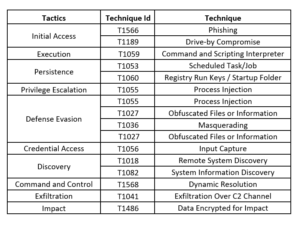
The analysis begins with a timeline of events, starting from the user downloading a password-protected ZIP file to the subsequent execution of PowerShell scripts, code injection into aspnet_compiler.exe, and the establishment of command-and-control connections. The actor provides a detailed breakdown of the infection routine, including the extraction of the payload, execution of scripts, creation of scheduled tasks for persistence, and the decoding and loading of malicious components. The technical section delves into the decoded scripts, showcasing the intricacies of AsyncRAT's capabilities, such as keylogging, code injection, and dynamic DNS usage. The detailed examination of the malware's code provides insights into its evasion techniques, file obfuscation, and the dynamic nature of its infrastructure.
The blog highlights AsyncRAT's ongoing threat and flexibility in responding to changing conditions. It is a difficult opponent because of its deliberate use of obfuscated scripts, code injection into trustworthy processes, and dynamic DNS usage. The study emphasizes how crucial it is to have ongoing monitoring services to identify and neutralize these kinds of threats. To protect against AsyncRAT's diverse capabilities, the mitigation and prevention techniques recommended include ongoing monitoring, early detection, and the deployment of strong cybersecurity measures. To safeguard confidential data and avert possible ransomware infections, organizations are advised to maintain vigilance and proactivity in the face of constantly changing cyberthreats.
Threat Profile:
References:
The following reports contain further technical details:
[/emaillocker]