
Summary:
A persistent and sophisticated campaign has been identified by researchers, targeting victims with AsyncRAT through an elaborate phishing scheme. This threat actor deploys an initial JavaScript file via phishing pages to infiltrate victim systems. The carefully chosen victims, including entities managing critical infrastructure in the U.S., underscore the gravity of the campaign. Employing extensive obfuscation and anti-sandboxing techniques, the loader conceals its activities and adapts to evade automatic detection, posing a serious challenge to security measures.[/subscribe_to_unlock_form]
Summary:
A persistent and sophisticated campaign has been identified by researchers, targeting victims with AsyncRAT through an elaborate phishing scheme. This threat actor deploys an initial JavaScript file via phishing pages to infiltrate victim systems. The carefully chosen victims, including entities managing critical infrastructure in the U.S., underscore the gravity of the campaign. Employing extensive obfuscation and anti-sandboxing techniques, the loader conceals its activities and adapts to evade automatic detection, posing a serious challenge to security measures.[emaillocker id="1283"]
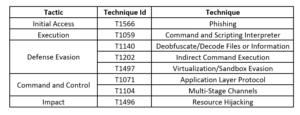
The loader's modus operandi involves multi-stage obfuscation, with a Command and Control (C&C) server checking for sandbox environments before deploying the main AsyncRAT payload. Notably, the threat actor employs Domain Generation Algorithm (DGA) domains that change weekly, recycling and redirecting when virtual machines are detected. The obfuscated JavaScript files, laden with decoy strings, are delivered through phishing webpages. Anti-sandboxing techniques involve dynamic generation of loader versions with randomized variables, making consistent detection challenging. The AsyncRAT payload, downloaded after passing anti-sandbox checks, employs sophisticated anti-analysis measures, including variable-length domains, XOR encryption, and evasion of popular sandboxes.
The campaign exhibits a high degree of sophistication, emphasizing the threat actor's commitment to covertly compromising systems. The combination of obfuscation, anti-sandboxing techniques, and dynamic infrastructure adaptation poses significant challenges for detection and mitigation. The threat's prolonged duration and continuous evolution underline the need for robust cybersecurity measures, including timely patching, threat intelligence integration, and proactive monitoring. Organizations should remain vigilant, as the threat actor's tactics, techniques, and procedures continue to evolve, necessitating a comprehensive and adaptive security posture.
Threat Profile:
References:
The following reports contain further technical details:
[/emaillocker]