
Summary:
As technology continues to advance, the threat landscape evolves as well. A concerning trend in recent years is the rise of supply chain attacks, particularly those targeting codebases. These attacks pose significant risks to organizations and individuals, as threat actors exploit vulnerabilities in third-party components, leading to the compromise of trusted applications. High-profile incidents like Apache Log4j, SolarWinds Orion, and 3CX's 3CXDesktopApp have highlighted the severity of supply chain attacks.[/subscribe_to_unlock_form]
Summary:
As technology continues to advance, the threat landscape evolves as well. A concerning trend in recent years is the rise of supply chain attacks, particularly those targeting codebases. These attacks pose significant risks to organizations and individuals, as threat actors exploit vulnerabilities in third-party components, leading to the compromise of trusted applications. High-profile incidents like Apache Log4j, SolarWinds Orion, and 3CX's 3CXDesktopApp have highlighted the severity of supply chain attacks.[emaillocker id="1283"]
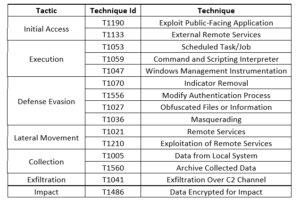
Threat actors utilized a novel technique called "exec smuggling" to compromise legitimate GitHub repositories. This technique involves hiding malicious code within lengthy sequences of whitespace characters, making it difficult to detect. The malicious payload is retrieved and executed via the Python built-in method "exec()." Attackers also installed and imported necessary dependencies to disguise their activities. The second stage of the attack involved preparing the environment by installing Python packages, checking for specific directories, and creating a decrypt payload. The third stage featured a modified version of BlackCap-Grabber, an information stealer project, with capabilities such as extracting browser data and hijacking the Windows clipboard. The attackers injected malicious code into the ElectronJS-based Exodus Desktop Wallet, compromising users' credentials and cryptocurrency assets.
The rise of supply chain attacks, as exemplified in this case study, underscores the critical need for robust cybersecurity measures. Organizations, developers, and consumers must take proactive steps to defend against such threats. Recommendations include vetting third-party tools, conducting code reviews, monitoring network traffic, using reputable security solutions, limiting permissions, isolating environments, engaging with open-source communities, and maintaining regular backups. A comprehensive Supply Chain Risk Management (SCRM) program is also essential to enhance supply chain security and mitigate organizational risks. By implementing these measures, individuals and organizations can better protect themselves from the ever-evolving landscape of supply chain attacks.
Threat Profile:
References:
The following reports contain further technical details:
[/emaillocker]