
Summary:
Researchers have uncovered a significant cyber threat campaign involving the distribution of a proxy server application to Windows machines. This campaign is operated by a company offering proxy services that reroute traffic through compromised systems turned into residential exit nodes through malware infiltration. Despite the proxy website's claims that users willingly allow their devices to be used as exit nodes, evidence suggests that malware silently installs the proxy on infected systems, evading antivirus detection. This article delves into the dramatic increase in Windows malware delivering this proxy application, resulting in the creation of a vast 400,000-strong proxy botnet.[/subscribe_to_unlock_form]
Summary:
Researchers have uncovered a significant cyber threat campaign involving the distribution of a proxy server application to Windows machines. This campaign is operated by a company offering proxy services that reroute traffic through compromised systems turned into residential exit nodes through malware infiltration. Despite the proxy website's claims that users willingly allow their devices to be used as exit nodes, evidence suggests that malware silently installs the proxy on infected systems, evading antivirus detection. This article delves into the dramatic increase in Windows malware delivering this proxy application, resulting in the creation of a vast 400,000-strong proxy botnet.[emaillocker id="1283"]
In this evolving landscape of cyber threats, malicious actors are increasingly utilizing proxy applications as a tool of choice, delivered through various malware strains. The proxy, written in the versatile Go programming language, can be compiled into binaries compatible with both macOS and Windows. Remarkably, macOS samples are often detected by security checks, while the Windows proxy application, likely due to its digital signature, goes undetected. The malware quietly installs the proxy on compromised systems, typically alongside additional malware, or adware. This process occurs without user interaction and employs specific Inno Setup parameters to remain hidden. The monetization of this malware via an affiliate program further exacerbates the threat's proliferation.
The emergence of malware delivering proxy applications, driven by affiliate programs, underscores the cunning strategies employed by cyber adversaries. These proxies, stealthily distributed through enticing offers or compromised software, serve as conduits for unauthorized financial gains. This discovery emphasizes the need for constant vigilance and adaptability in the face of ever-evolving cyber threats. Staying ahead in this dynamic landscape requires a proactive approach to identifying and mitigating such threats to protect both individual users and the broader digital ecosystem.
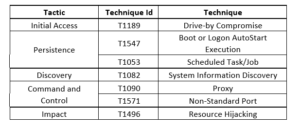
Threat Profile:
References
The following reports contain further technical details:
[/emaillocker]