
EXECUTIVE SUMMARY
Raspberry Robin, a notorious Windows worm first observed in late 2021, has evolved into a significant threat targeting enterprises. Traditionally, it spread via USB drives, but recent developments reveal a shift towards utilizing Windows Script Files (WSF) for distribution. These WSF files, commonly employed for automation tasks in Windows environments, now serve as vehicles for delivering the malware.[/subscribe_to_unlock_form]
EXECUTIVE SUMMARY
Raspberry Robin, a notorious Windows worm first observed in late 2021, has evolved into a significant threat targeting enterprises. Traditionally, it spread via USB drives, but recent developments reveal a shift towards utilizing Windows Script Files (WSF) for distribution. These WSF files, commonly employed for automation tasks in Windows environments, now serve as vehicles for delivering the malware.[emaillocker id="1283"]
The WSF downloader used by Raspberry Robin employs sophisticated obfuscation techniques and a variety of anti-analysis measures, making detection challenging. Technical analysis of the downloader reveals a complex structure designed to evade detection and slow down analysis. From obfuscated script tags to dynamically calculated control flow, the malware authors have crafted a resilient delivery mechanism. Furthermore, the downloader implements extensive checks to ensure execution on genuine end-user devices rather than in sandbox environments, demonstrating a high level of sophistication in evasion tactics.
Despite the intricacy of the WSF downloader, security researchers have dissected its inner workings to uncover its functionality. The script conducts check on various system attributes, including OS build number, processor type, virtualization indicators, and presence of antivirus processes. These checks serve to confirm the legitimacy of the target system and prevent analysis within sandbox environments. Moreover, the downloader incorporates mechanisms to evade detection by security software, such as adding exceptions to Microsoft Defender and using cookies for request validation during file download.
The recent adoption of WSF files as a distribution vector for Raspberry Robin represents a significant evolution in the malware's tactics. Security teams must remain vigilant and adapt their detection and mitigation strategies accordingly. The complex obfuscation and evasion techniques employed by the malware highlight the need for robust defenses and proactive threat hunting approaches. Early detection and prevention of Raspberry Robin infections are crucial, given its potential to serve as a precursor for ransomware attacks. By understanding the intricacies of the malware and its distribution methods, organizations can better protect their networks and data from this evolving threat landscape.
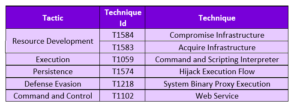
THREAT PROFILE:
REFERENCES:
The following reports contain further technical details:
https://thehackernews.com/2024/04/raspberry-robin-returns-new-malware.html