
Summary:
A recent surge in cyberattacks within the Netherlands has been attributed to the Sea Turtle threat actor, believed to be operating in alignment with Turkish interests. Researcher analysis reveals a targeted campaign, signalling an escalation in Sea Turtle's pursuit of objectives within Western nations. This Advanced Persistent Threat (APT) group is known for its cyber espionage activities, primarily focusing on economic and political intelligence through information theft. The attacks involve a sophisticated modus operandi, with a recent shift in tactics observed in the Netherlands, targeting telecommunication, media, ISPs, and IT-service providers.[/subscribe_to_unlock_form]
Summary:
A recent surge in cyberattacks within the Netherlands has been attributed to the Sea Turtle threat actor, believed to be operating in alignment with Turkish interests. Researcher analysis reveals a targeted campaign, signalling an escalation in Sea Turtle's pursuit of objectives within Western nations. This Advanced Persistent Threat (APT) group is known for its cyber espionage activities, primarily focusing on economic and political intelligence through information theft. The attacks involve a sophisticated modus operandi, with a recent shift in tactics observed in the Netherlands, targeting telecommunication, media, ISPs, and IT-service providers.[emaillocker id="1283"]
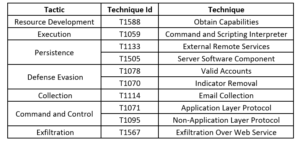
Sea Turtle's campaigns in the Netherlands exhibit an evolution in tactics, featuring the use of a reverse TCP shell named SnappyTCP with basic command-and-control capabilities. The threat actor leverages publicly available code from a GitHub repository, presumably under its control, for these operations. Initial access is gained through compromised cPanel accounts and SSH, highlighting the group's adaptability. Defense evasion techniques include overwriting system logs and unsetting command history to operate discreetly. The C&C channel is configured with SnappyTCP, allowing communication with compromised systems for data exfiltration. The attack timeline involves logging into cPanel from IP addresses associated with VPN and hosting providers, indicating a methodical compromise of legitimate accounts. The threat actor uses SnappyTCP alongside the tool NoHup to establish persistence on systems, ensuring the malware continues to run even after exiting the shell or terminal. The attacker further installs Adminer, a publicly available database management tool, indicating an intent to remotely access MySQL services. Sea Turtle's command-and-control servers, identified in the campaign, return responses related to DNS services of Google, suggesting potential tactics for evading detection. The threat actor engages in the collection of sensitive data, specifically targeting email archives, emphasizing a focus on surveillance and intelligence gathering aligned with geopolitical interests.
The observed Sea Turtle campaigns in the Netherlands underscore the group's technical sophistication and adaptability. Organizations within targeted sectors are urged to enhance their cybersecurity posture by deploying advanced detection and response mechanisms, enforcing stringent password policies, implementing 2FA, and regularly updating software. Sea Turtle's evolving tactics necessitate a proactive approach to cybersecurity to mitigate the risks associated with their persistent and targeted operations. As threat actors continue to advance their techniques, a heightened state of vigilance and technical preparedness is crucial for organizations to safeguard against potential compromises.
Threat Profile:
References:
The following reports contain further technical details:
https://thehackernews.com/2024/01/sea-turtle-cyber-espionage-campaign.html
[/emaillocker]